Monday, December 29, 2025

Honouring the Legacy of Ratan Tata on His Birth Anniversary


Remembering a Visionary Leader

On 28th December, we commemorate the birth anniversary of Ratan Naval Tata, one of India’s most respected industrialists and a symbol of ethical leadership. Born in 1937, Ratan Tata’s life journey reflects humility, resilience, and an unwavering commitment to nation-building. His influence extended far beyond boardrooms, touching lives through compassion, innovation, and philanthropy.

Ratan Tata Portrait


From the Ground Up: A Leader Who Learned by Doing

Ratan Tata joined the Tata Group in the early 1960s and began his career working on the shop floor at Tata Steel. These formative years shaped his understanding of workers, systems, and the importance of dignity of labour. His rise was defined not by entitlement, but by experience, discipline, and quiet determination.

Young Ratan Tata


Transforming the Tata Group into a Global Powerhouse

When Ratan Tata became Chairman of Tata Sons in 1991, India was opening up to the global economy. Under his leadership, the Tata Group evolved into a multinational conglomerate with a strong global presence. Strategic acquisitions and bold decisions helped place Indian enterprise on the world map while retaining strong ethical foundations.


Innovation with a Human Purpose

Ratan Tata believed that technology and innovation should serve society. One of his most iconic initiatives was the Tata Nano, envisioned as an affordable and safe car for Indian families. Though the project faced challenges, it stood as a testament to his belief that business should address real societal needs.


A Legacy Rooted in Philanthropy and Compassion

Beyond business, Ratan Tata devoted his life to philanthropy. Through Tata Trusts, he supported education, healthcare, rural development, scientific research, and animal welfare. His generosity was often quiet and personal, driven by empathy rather than recognition.
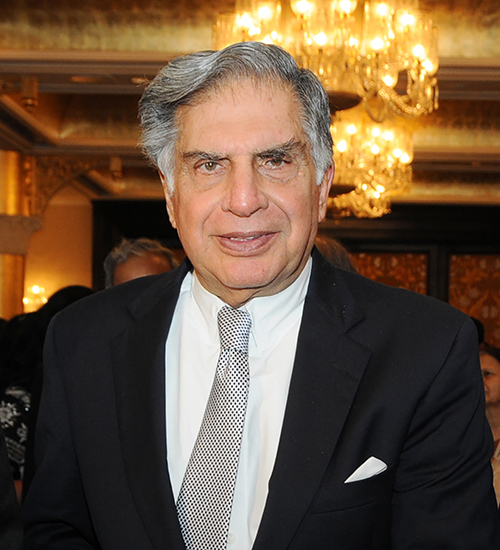
Ratan Tata with Children


Leadership Defined by Values, Not Power

Ratan Tata’s leadership style was marked by integrity, simplicity, and courage. He believed that trust is the most valuable asset of any institution. Even at the height of success, he remained approachable and grounded, earning respect not through authority, but through character.
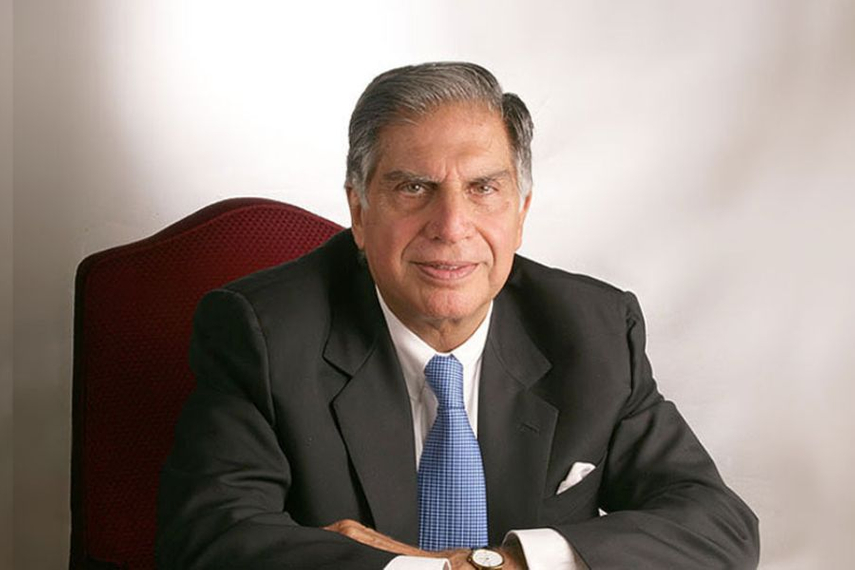
Ratan Tata Addressing Audience


An Enduring Inspiration

Though Ratan Tata is no longer with us, his ideals continue to inspire leaders, entrepreneurs, and young professionals. On his birth anniversary, we remember not just a business icon, but a humane visionary who showed that success and compassion can walk hand in hand.


✨ A Thought to Remember

“I don’t believe in taking the right decisions. I take decisions and then make them right.”
Ratan Tata

Saturday, December 27, 2025

Kolkata’s Pollution Crisis: Breathing Life into Solutions

 Kolkata — the City of Joy — is famous for its culture, food, and history. But in recent years, another label has emerged in headlines: one of India’s most polluted metropolitan cities. While the city has seen improvements at times, air and environmental pollution remain persistent threats to health, quality of life, and sustainability.


ЁЯУК What’s Happening with Kolkata’s Pollution?


Air Quality Still Troubling

The city’s air quality index (AQI) regularly reaches poor to very poor levels, especially in winter months. In some areas like the Maidan, Kolkata’s AQI has exceeded 300 — even higher than Delhi’s on certain days — which is dangerous for human health. ThewWll

Major Pollution Sources

Air pollution in Kolkata doesn’t come from one single place — it’s a mix of local and regional contributors:

  • Road dust — Studies show it contributes the largest share of particulate pollution (PM10 and PM2.5).

  • Vehicles — A rapid rise in cars, two-wheelers, and diesel emissions continues to worsen air quality, particularly near major roads. 

  • Construction and industrial activities — Uncovered sites and debris add dust and pollutants to the air.

  • Burning of waste and leaves — Local practices can cause smoke that contributes to AQI spikes. 

  • Festivals like Diwali also temporarily increase pollution due to firecrackers and high traffic. 

Dust on Our Streets


Loose and broken roads — especially in residential areas like Salt Lake — are generating excessive dust that penetrates into homes and triggers respiratory issues. 

Waterway Pollution


Solid waste and plastics continue to pollute local rivers like the Hooghly, threatening aquatic ecosystems and public health. 


ЁЯШ╖ Why This Matters: Health and Environment

Unsafe air isn’t just an environmental statistic — it affects real lives. Poor air quality has been linked to:

  • Respiratory problems like asthma and bronchitis

  • Heart and cardiovascular complications

  • Eye irritation and allergies

  • Increased hospital visits during peak pollution months

Many residents report worsening health during high-pollution days. 


ЁЯМ▒ Good News: Progress Is Possible

It’s not all bad news. Kolkata has shown it can improve:


  • In recent years, the city’s average PM10 and AQI levels saw measurable reductions after sustained efforts under India’s National Clean Air Programme (NCAP). 

  • Government projects and community awareness efforts are beginning to shift the conversation toward sustainability.


ЁЯЫа️ What Steps Kolkata Needs Now

Here’s a practical, multi-layered approach the city can take to improve air and environmental quality:

1. Clean Roads and Reduce Dust

  • Repair damaged street surfaces and pave unpaved sections.

  • Deploy street-level water sprinklers and dust-suppression vehicles during peak seasons. 

2. Better Waste Management

  • Segregate waste at source and compost green waste instead of burning. 

  • Strengthen recycling and river cleanup initiatives to reduce pollution load in waterways. 

3. Promote Green Mobility


  • Encourage public transport, cycling, and walking.

  • Expand electric bus and e-vehicle infrastructure.

  • Strictly enforce vehicle emissions checks (PUC) and phase out very old vehicles.

4. Urban Greening


  • Increase and protect green spaces like parks and roadside tree cover, which help filter air pollutants.

5. Community Engagement & Education


  • Launch campaigns in schools, colleges, and residential communities to raise awareness about pollution reduction actions.

  • Utilize environmental helplines to report violations.

6. Policy and Enforcement

  • Strengthen environmental regulations for construction sites.

  • Enforce penalties for illegal burning of waste or garbage dumping.

ЁЯзК Greenland: Arctic Geopolitics and the Rise of American Assertiveness

Greenland has moved from geopolitical obscurity to strategic prominence in recent years. While traditionally under Danish sovere...