Monday, October 14, 2019

Who is Abhijit Banerjee, the Indian-American who won the Nobel Prize in Economics ?


NEW DELHI: Abhijit Vinayak Banerjee, who jointly won the Nobel Prize in Economics 2019 along with French Esther Duflo and American Michael Kremer is an Indian-American who won the prestigious award for their experiment-based approach to tackling poverty - in the fast-growing area of development economics

Born on February 21, 1961, in Mumbai, Banerjee attended South Point School and Presidency College, Kolkata, where he completed his BSc degree in economics in 1981. Following this, Banerjee completed his MA in economics from Jawaharlal Nehru University, Delhi in 1983. Later, he went on to obtain a Ph.D. in economics from Harvard University, Cambridge, the USA in 1988.

Banerjee co-founded the Abdul Latif Jameel Poverty Action Lab along with economists Esther Duflo and Sendhil Mullainathan and his work mainly focussed on development economics. Together with Esther Duflo, Michael Kremer, John A. List, and Sendhil Mullainathan, he has proposed field experiments as an important methodology to discover causal relationships in economics.

The Nobel Prize laureate has a plethora of achievements in his kitty. He was a president of the Bureau for the Research in the Economic Analysis of Development, a research associate of the National Bureau of Economic Research, a research fellow at the Centre for Economic Policy Research, an international research fellow of the Kiel Institute, fellow at the American Academy of Arts and Sciences, and a fellow at the Econometric Society.

Banerjee currently works at Massachusetts Institute of Technology (MIT), Cambridge, MA, USA. He also served on the UN Secretary-General’s High-level Panel of Eminent Persons on the Post-2015 Development Agenda.

In 2009, he also was honoured with the Infosys Prize in the social sciences category of economics. He is also the recipient of the inaugural Infosys Prize in the category of social sciences (economics).

In 2012, he shared the Gerald Loeb Award Honorable Mention for Business Book with co-author Esther Duflo for their book Poor Economics. In 2014, he received the Bernhard-Harms-Prize from the Kiel Institute for the World Economy.

Banerjee was earlier married to Dr Arundhati Tuli Banerjee, a lecturer of literature at MIT, with whom he divorced later. Abhijit has a child with co-researcher and MIT professor Esther Duflo, who he married in 2015 after living together for a while. Esther is also one of the awardees of the Nobel Prize in Economics along with Banerjee and Michael Kremer.


Written By: Zee Media Bureau | Edited By: Sanchita Jain | Updated: Oct 14, 2019, 17:23 PM IST

Tuesday, September 24, 2019

NRC - নিয়ে কিছু তথ্য


আসলে দেখছি NRC নিয়ে মানুষের মনে কিছু বিভ্রান্তি, ভয়, জিজ্ঞাসা তৈরি হয়েছে ।

তাই খুব সহজ ভাষায় কিছু উত্তর দেওয়ার চেষ্টা করলাম ।

1) NRC কি ?
Ans. খুব সহজে বলতে গেলে 1971 সালের পরে পরে যারা অবৈধ ভাবে ইন্ডিয়ায় এসেছে ,তাদের সনাক্তকরণ ।

2) NRC কি সারা ভারতের জন্য?
Ans. না শুধু মাত্র আসাম রাজ্যের জন্য ।

3 ) NRC করা হয়েছে কি মুসলমান দের তাড়ানোর জন্য?
Ans. একদম না, NRC এর সঙ্গে হিন্দু মুসলমানের কোনো সম্পর্ক নেই ।

4 ) তাহলে BJP যে বলে বেড়াচ্ছে মুসলমান দের তাড়ানো হবে ।
Ans ওদের কথায় বিশেষ গুরুত্ব দিয়ার প্রয়োজন নেই । আসাম 19 লক্ষ মানুষের মধ্যে 60% হিন্দু ।

5) NRC কি BJP করছে?
Ans না, কংগ্রেসের তৎকালীন প্রধানমন্ত্রী রাজীব গান্ধীর 1985 সালের আসাম চুক্তি অনুযায়ী, সুপ্রিম কোর্টের তত্ত্বাবধানে NRC হচ্ছে, শুরু থেকে শেষ পর্যন্ত BJP এর কোনো ভূমিকা নেই ।

6) তাহলে ওরা NRC NRC করে সারা দিন লাফাচ্ছে কেন?
Ans ধর্মীয় মেরুকরন,ধর্মীয় আবেগ করে রাজনীতি ।

7) ভবিষ্যতে কি সারা ভারতে চালু হতে পরে?
Ans. হাঁ পারে, তবে শুধুমাত্র আসাম এ NRC করতে খরচ হয়েছে 1220 কোটি টাকা । সারা দেশে করতে গেলে,সরকার এর খরচ হবে প্রায় 48800 কোটি টাকা, দেশের যা অর্থিক অবস্থা তাতে এই মুহুর্তে ওতো টাকা খরচ করা সম্ভব হবে না । আর সারা দেশে মোতায়েন করার মত সেন্ট্রাল বাহিনীও নেই ।

8) তাহলে কি শুধুমাত্র পশ্চিমবঙ্গে আর পরে হতে পারে কি?
Ans, হতেই পারে। কিন্তু আসামে যা ধাক্কা খেয়েছে তাতে সরকার এক্ষুনি কিছু করবে না ।

9) তাহলে শুনছি নাকি 2020 সালের এপ্রিল মাস থেকে NRC চালু হবে?
Ans. একদম না, এই রকম কিছুই নেই, যেটা হবে সেটা হল NPR , মানে জনগণনা যেটা প্রত্যেক 10 বছর অন্তর জনগণনা হয় । একজন লোক আপনার বাড়ি আসবে তাঁকে নিজের নাম, পরিবারের সদস্যদের নাম ইত্যাদি বলতে হবে l

10) শুনছি নাকি নাকি CAB করে পশ্চিমবঙ্গে NRC চালু করা হবে? CAB কি?
Ans CAB হল, Citizenship Ammendment Bill , যাতে বলা হয়েছে মুসলমান বাদ দিয়ে অন্য যে কোন ধর্মের মানুষ যারা 2014 সালের 31 শে ডিসেম্বরের অন্য দেশ( বাংলাদেশ,পাকিস্তান, আফগানিস্তান,নেপাল,ভূটান প্রভূতি দেশ) থেকে যারা আগে এসেছে ভারতে শুধুমাত্র ধর্মীয় কারনে বিতাড়িত তাদের নাগরিকত্ব দেওয়া হবে ।

11) তাহলে কি CAB করে NRC করলে হিন্দু দের কিছুই করতে হবে না?
Ans অবশ্যই করতে হবে, তারা যে ধর্মীয় কারনে অন্য দেশ ছেড়ে পালিয়ে এসেছে এবং 2014 সালের আগেই এসেছে সেটা প্রমান করতে হবে। তার ঐ দেশের প্রমানপত্র দিতে হবে যে শুধুমাত্র ধর্মীয় কারনে অত্যাচারিত হয়ে বিতাড়িত
।

12) CAB বিল পাস হলেই কি অন্য দেশ থেকে আসা হিন্দুরা নাগরিক হয়ে যাবে?
Ans না, তাদের 6 বছর ইন্ডিয়ায় থাকার অনুমতি দেয়া হবে, 6 বছর পর তারা নাগরিকেত্বর জন্য আবেদন করতে পারবেন । মানে এই রকম হতে পারে সে ছিল নাগরিক, কিন্তু তাঁকে 6 বছরের জন্য সব অধিকার কেড়ে নিয়ে, অনেকটা অন্য দেশে ঘুরতে যাওয়া মানুষের মত করে দিল, তারা না ভোট দিতে পরবে না সরকারি কিছু সুবিধা পাবেন ।

13) এখন ভোটার কার্ড নিয়ে কি সব করতে বলছে, না করলে কি, দেশ থেকে তাড়িয়ে দেবে ??
Ans. একদম না, আপনার যদি ভোটার কার্ডে নাম,ঠিকানা সব টিক থাকে আপনাকে কিছুই করতে হবে না, ভূল থাকলে টিক করে নেবেন ।

14) যদি ভবিষ্যতে NRC চালু হয় তাহলে কি কি DOCUMENTS লাগবে?
Ans অনেক কিছুর কথাই বলা আছে, কিন্তু যে গুলো দিয়ে সহজে প্রমাণ করা যাবে 1971 সালের আগের ভোটার লিস্ট, জমির রেকর্ড, আর কিছু হিন্দু বন্ধু দের জন্য1971 সালের আগে শরনার্থী কার্ড । যে কোন একটি হলেই চলবে ।

15) উপরে বলা Documents গুলো তো আমার কাছে নেই, তাহলে কি হবে?
Ans আতঙ্কিত হওয়ার কিছু নেই, আপনার কাছে না থাকলেও সরকারের কাছে সব রেকর্ড আছে । নির্দিষ্ট সময়ে চাইলেই পাবেন ।

16) NRC নিয়ে কোন কোন রাজনীতিক দলের কি অবস্থান?
Ans BJP সরাসরি NRC আর পক্ষে, TMC,CPIM,Congress সরাসরি বিপক্ষে ।অন্যদের অবস্থান নিরপক্ষে ।

17) এখন কি করণীয়?
Ans কিছুই করণীয় নেই, গুজবে কান দেবেন না, গুজব চড়াবেন না, নিজের কাজ করুন, অানন্দে থাকুন আগে যেমন ছিলেন । ঘাবড়ে যাওয়ার মত কিছুই হয় নি ।

Monday, September 23, 2019

এরিয়ার ছাড়াই পে কমিশন লাগু হচ্ছে ১ জানুয়ারি থেকে


রাজ্য সরকারের কর্মীদের বেতনক্রম পর্যালোচনার জন্য ষষ্ঠ পে কমিশন গঠিত হয়েছিল ২৭ নভেম্বর, ২০১৫-এ, ২০১৬ বিধানসভা নির্বাচনের ঠিক আগে। অধ্যাপক অভীরূপ সরকার ওই কমিশনের নেতৃত্বে ছিলেন। ছ'মাসের মধ্যে কমিশনকে রিপোর্ট জমা দিতে বলা হলেও পরে তা বার বার বাড়তে থাকে। গত ১৩ সেপ্টেম্বর মুখ্যমন্ত্রী বলেন, তাঁর সরকার রিপোর্ট পেয়েছে এবং ২০২০ সালের ১ জানুয়ারি থেকে তা কার্যকর করা হবে।

ষষ্ঠ পে কমিশনের  সুপারিশ মেনে নিল রাজ্য সরকার। সোমবার ওই সুপারিশে সিলমোহর মেরে রাজ্য সরকার জানিয়ে দিল আগামী বছরের ১ জানুয়ারি থেকে চালু হবে নয়া বেতনক্রম। সংবাদমাধ্যমকে তিনি জানান, ‘‘মন্ত্রিসভা আজ পে কমিশনের সুপারিশ মেনে নিয়েছে। এবং এটি কার্যকরী হবে ১ জানুয়ারি, ২০২০ থেকে। রাজ্য সরকার তার কর্মীদের ২০১৬ সাল থেকে ধারণাগত প্রভাব হিসেব করে বেতন বাড়িয়ে দিচ্ছে।''

ডিএ-র সঙ্গে বেসিক পে ও গ্রেড পে যুক্ত করা হল। অর্থমন্ত্রী বলেন, এর ফলে যাঁর বেসিক পে ছিল ১০০ টাকা, তা বেড়ে হল ২৮০.৯০ টাকা। তবে এক প্রশ্নের উত্তরে অমিত মিত্র জানিয়ে দেন, রাজ্য সরকার কোনও এরিয়ার দেবে না এর ফলে ৪৮ মাসের এরিয়ার থেকে বঞ্চিত হবেন সরকারি কর্মচারীরা ।

নুতুন পে কমিশনের উল্লেখযোগ্য বিন্দু গুলি হলো:

- পে কমিশন লাগু হচ্ছে ১ জানুয়ারি ২০২০ থেকে

- কোনও এরিয়ার দেওয়া হবে না।
- বাড়িভাড়ার ভাতা ৬,০০০ টাকা থেকে বাড়িয়ে ১২,০০০ টাকা করা হল মুখ্যমন্ত্রীর নির্দেশে। কমিশন সুপারিশ করেছিল অঙ্কটা হোক ১০,৫০০ টাকা।
- গ্র্যাচুইটি ৬ লক্ষ থেকে টাকা থেকে বাড়িয়ে ১২ লক্ষ টাকা 
- বাড়ি ভাড়া ভাতা হচ্ছে ১২%
- বেতন বাড়ছে ১৪.২২%
- বর্ধিত ডিএ নিয়ে কোনো কথা বলা হয়নি


এই পে প্যানেলের সুপারিশ মেনে নেওয়ার ফলে তা বাবদ বার্ষিক ১০,০০০ কোটি টাকা খরচ হবে রাজ্য সরকারের, জানিয়েছে রাজ্যের অর্থ দফতরের এক সূত্র।

এরিয়ার না পাওয়ায় ও ডিএ নিয়ে কোনো ষ্পষ্টতা না থাকায় এই পে কমিশন সরকারি কর্মচারী দের কতটুকু খুশী করতে পারবে তা এখন দেখার বিষয়। 

Friday, September 20, 2019

Corporate Tax rates for domestic companies and new domestic manufacturing companies slashed


Panjim (Goa): Finance Minister Nirmala Sitharman on Friday slashed corporate tax rates for domestic companies and new domestic manufacturing companies. The announcement comes ahead of the crucial GST meet in a bid to boost the capital markets.

The government has cut the effective corporate tax to 25.17 per cent inclusive of all cess and surcharges for domestic companies.

This, she said is being done to promote investment and growth.

In effect, the corporate tax rate will be 22 per cent for domestic companies, if they do not avail any incentive or concession.
Making the announcement, Finance Minister Nirmala Sitharaman said: "In order to promote growth and investment, a new provision has been inserted in the Income Tax Act, with effect from financial year 2020. It will allow any domestic company an option to pay income tax at 22 per cent subject to the condition that they will not avail any exemption or incentives".
The changes in the Income Tax Act and Finance Act will be made effective through an ordinance.

The minister also said companies opting for 22 per cent income tax slab would not have to pay minimum alternative tax (MAT). Sitharaman further said, new domestic manufacturing companies incorporated after October 1, can pay income tax at a rate of 15 per cent without any incentives.

Meaning, effective tax rate for new manufacturing companies will be 17.01 per cent inclusive of all surcharge and cess.

Sitharaman further said companies can opt for lower tax rate after expiry of tax holidays and concessions that they are availing now.

The finance minister also announced that there will be no enhanced surcharge on capital gain where Securities Transaction Tax (STT) has already been paid.


The Bombay Stock Exchange (BSE) surged over 2,100 points post government's corporate tax relief decision. The Nifty 50 on the National Stock Exchange also was over the 11,000 mark.


-Credit : ABP News
(With additional information from PTI)

Friday, September 13, 2019

১ জানুয়ারি থেকে নুতুন পে কমিশন, ঘোষণা মুখ্যমন্ত্রীর


কলকাতা: দীর্ঘ প্রতীক্ষার পর নেতাজি ইনডোর স্টেডিয়ামে আজ তৃণমূল প্রভাবিত রাজ্য সরকারি কর্মচারী সংগঠনের  সভা তে মুখ্যমন্ত্রী মমতা বন্দ্যোপাধ্যায় জানান যে তিনি রাজ্য সরকারি কর্মচারী দের জন্য গঠিত ষষ্ঠ বেতন কমিশনের প্রথম রিপোর্ট হাতে পেয়েছেন ।

মুখ্যমন্ত্রী জানান যে আগামী ১ জানুয়ারি ২০২০ থেকে পে কমিশনের সুপারিশ তিনি লাগু করার চেষ্টা করবেন । আগামী ২৩ সেপ্টেম্বর কেবিনেটের বৈঠকে পে কমিশন নিয়ে আলোচনা হবে এবং তা পর্যালোচনা করে পরবর্তী পদক্ষেপ নেওয়া হবে। তবে মুখ্যমন্ত্রী আস্বস্ত করেন যে কমিটির সব সুপারিশ রাজ্য গ্রহণ করবে।

মুখ্যমন্ত্রী আরো জানান যে গ্রাটুইটির সর্বাধিক সীমা ৬ লাখ থেকে বেড়ে ১০ লাখ করা হবে ।


এই জোড়া আনন্দের খবরের মাঝেও কিছু প্রশ্নের উত্তর পাওয়া গেলো না-

১. কর্মচারীরা কোন মাস থেকে নুতুন বেতন পেতে আরম্ভ করবেন ??

২. দীর্ঘ ৪৮ মাসের বকেয়া টা কিভাদে মেটানো হবে ??


৩. বর্তমানে বকেয়া DA কবে দেওয়া হবে ??


এখন সবাই এই প্রশ্ন গুলোর উত্তর খুঁজতে ব্যস্ত থাকবেন ।

Saturday, August 31, 2019

Cam Scanner : Best Alternatives of Trojan affected app


Most of us using Cam Scanner as Free PDF scanner for day to day scanning needs.

But as we all know that Cam Scanner ia affected by Trojan ( a type of virus ) and said app is dropped from Google Play store, then what is the alternative we have ??

1. Google Drive

The best part is - we don't need to install any new app for scanning as Google Drive is Pee installed in all Android devices.

Steps to follow :

- Open Google drive app.
- In the bottom right, tap Add ➕
- Tap Scan
- Take a photo of the document you'd like to scan.
- Adjust scan area: Tap Crop 
- Take photo again: Tap Re-scan current page 
- Scan another page: Tap Add 
- To save the finished document, tap Done 


2. Office Lens

Other best alternative is Office Lens app by Microsoft Corporation. The app is available in Google Play Store free of cost.

Link to install : Office Lens

So, uninstall Trojan affected Cam Scanner today and use any of above-mentioned app you like.

Friday, August 23, 2019

Key announcements by FM Nirmala Sitharaman on Indian economy, FPIs, GST and Automobile


New Delhi: FM Nirmala Sitharaman on Friday announced withdrawal of enhanced surcharge on Foreign Portfolio Investments (FPIs), that was revealed during presentation of Union Budget 2019.

Addressing a press conference along with top finance ministry officials at National Media Centre in New Delhi, Sitharaman made a slew of announcements regarding the state of economy FPIs, GST , NBFCs and Automobile sector.

Here are the key highlights of her announcements

- Government withdraws enhanced surcharge on FPIs, pre-budget position is restored.

- In order to encourage investment in capital market, FM decided to withdraw enhance surcharge levied by the Finance No. 2 Act 2019. In simple words, the enhance surcharge on FPI goes, surcharge on domestic investors in equity goes. Pre-budget position is restored.

- CSR violations will not be treated as a criminal offence and instead be as civil liabilities. On or after 1st October 2019 all the Income-tax orders, notices, summons, letters, etc shall be issued through a centralised computer system.

- FM Nirmala Sitharaman announced measures for banks & MSMEs, says releasing Rs 70,000 cr of capital upfront for bank capitalisation.

- GST filing will be simplified further to meet the GSTN to remove further glitches in the system. All pending GST refunds due to MSMEs till now shall be paid within 30 days from today. In future, the GST refunds to MSMEs will be paid within 60 days.

- There will be faceless scrutiny from 'Vijay Dashmi' this year, which will mean that there shall not be even, that one odd over-enthusiastic officer who might go and sit & talk about things, which may be construed as harassment.

- Increase in NHB funding from Rs 20,000 crore to Rs 30,000 crore. NBFCs will be now be permitted to use Aadhar based KYC of bank for their customers.

- Withdrawal of Sec 56(2)(viib) of IT Act Dedicated cell at CBDT for addressing challenges of startups; Sec 56(2) (vii)(b) to not apply to DPIIT registered startups.

- Income Tax orders, notices, summons, letters, etc to be sent only through centralized system. It will have a computer generated unique ID Number.

- NBFC’s can now use Aadhaar authenticated bank KYC to avoid the repeated process.

- BS4 vehicles purchased before 31.3.20 will remain operational till validity of the car's registration.

- Higher vehicle registration fee deferred till June 2020.

- Additional 15 percent depreciation on all vehicles to be allowed for all vehicles bought from now till March 31 2020, taking the total depreciation to 30 percent.


Credit:
Written By: Zee Media Bureau | Edited By: Reema Sharma | Updated: Aug 23, 2019, 18:54 PM IST


Monday, August 19, 2019

Home loans linked to repo rate are cheaper, but carry risks


The new repo rate-linked home loans being offered by banks such as the State Bank of India could be cheaper for homebuyers and more transparent, but loan advisers warn that they also carry the downside risks of the monthly instalments increasing in size in the event of a sustained increase in the repo rate.


India’s largest lender, the State Bank of India, launched repo-rate linked home loans that came into the market on July 1. This was swiftly followed by several other public sector banks, such as Syndicate Bank, Bank of India, Union Bank and Allahabad Bank, who each announced home loan products that would be directly linked to the central bank’s repo rate.

MCLR-based loans

The interest rate for normal home loans given by banks are calculated based on the marginal cost of funds-based lending rate (MCLR), which is an internal reference rate set by banks.

This rate is nominally based on the RBI’s repo rate — which itself is the rate of interest the central bank charges banks — but in practice the calculation of the MCLR by each bank is opaque and complex.

“The MCLR could be different for different banks, and be influenced by various factors such as the risk assigned to the loan taker and other factors,” Roopali Prabhu, head of Investment Products, Sanctum Wealth Management, explained. “Because of that, the transmission [to the borrower] was not happening.”

“There was a constant complaint from customers that even under the MCLR regime and before that the base rate regime, the benefits of the cuts of the policy rate were not getting transmitted to the end consumer,” Gaurav Gupta, CEO of Myloancare said. “But, whenever there was an increase in interest rates by the regulator, the banks were very quick to pass that on.”

The RBI has, over four actions, cut the repo rate by 110 basis points, whereas, according to some estimates, banks have transmitted only a 29 basis point cut to the consumers. A repo rate-linked home loan is one way to speed up this process of transmission so that the end user can benefit from the RBI action.

The interest on the repo rate linked loans is not the repo rate itself, but is simply based on it. For example, the SBI repo-linked lending rate (RLLR) will have a base spread of 2.25 percentage points over the repo rate. The repo rate at the time of launching the product was 5.75%, which meant the effective RLLR would have been 8%.

On top of this, the bank will add a risk-based spread of 40-55 basis points, depending on the risk assigned to the borrower. Taking this into account, the effective interest rate on the loans would have been 8.4-8.55% at a time when home loans based on the MCLR were anywhere between 8.55% to 9.10%. The RBI has most recently cut the repo rate by 35 basis points, meaning the RLLR will be further lowered.

‘Pro-investor move’

“With the repo-linked rate, there is a lot more transparency being brought in,” Ms. Prabhu added. “As a home-loan borrower, you know what the rate is, what the spread is, and if you know what the reset date is, you also know what the rate will be following an RBI action and when it will come into effect. It is a very good move and from a transparency point of view, it is a pro-investor move.”


However, some consumers have the misapprehension that a repo rate-linked product will mean that the effective interest rate of the loan would change as constantly as the repo rate itself does, thereby making it more difficult for the loan taker to systematically make the payments. This, however, is a risk most borrowers already take when they opt for floating rate loans rather than fixed rate ones. “The decision first is whether you want a fixed rate or a floating rate,” Ms. Prabhu said. “Most go for a floating rate anyway. A lot of institutions encourage this. If you are going for a floating rate, you anyway have the vagaries of the rate going down or hardening. But this way [with repo rate-linked loans], at least you have transparency.”

That said, there are some risks the borrower undertakes when opting for the repo rate-linked home loans, such as the eventuality of the central bank raising the repo rate. This could not only increase the interest rate of the loan, but could also eventually impact the size of the instalments themselves.

“The customer must also understand that in the case of the repo rate linked loans, the changes in the interest rate can be more frequent and it could result in changes in the instalment amount itself, which was not the case in the MCLR regime,” Mr. Gupta explained.

“What used to happen is that in case there was an increase in the interest rate, the banks used to increase the tenure of the loan, and only in very rare cases where this was extended too much, would they adjust the instalment amount itself,” he added. “In the case of the repo rate loan, it’s not the same. There is a higher chance, if the repo rate is increased significantly over a short time, that the instalment amount itself could be increased.”

Sample calculation

An example will be illustrative to show how the loan can be affected if the repo rate is changed after a certain period of time. Say a borrower takes a loan of ₹50 lakh for a period of 10 years at the current repo rate of 5.4%. Her effective interest rate will be 8.05% (5.4 + 2.25 + 0.4) and the monthly instalment will be ₹60,796. Three months down the line, the RBI raises the repo rate by 25 basis points, which means the effective interest rate is now 8.3%.

If the loan tenure is kept unchanged, this will mean that the instalment will increase in size to ₹61,445. Similarly, if the RBI cuts the repo rate by 25 basis points from 5.4% to 5.15%, then the instalment will shrink to ₹60,151.

In a scenario where the monthly instalment increases due to RBI’s actions, borrowers will have to make sure that the higher amount is available in their bank accounts since the increase will take place automatically on the reset date.


Credit : https://www.thehindu.com/business/markets/home-loans-linked-to-repo-rate-are-cheaper-but-carry-risks/article29121512.ece

Sunday, August 18, 2019

WhatsApp’s new exciting features you can use right away

By HT Correspondent

WhatsApp is one of the most awaited apps for new features. The popular messaging app is used by over 1.5 billion users globally. In India alone, WhatsApp has 400 million users.

WhatsApp regularly updates the app with new features. It also tests unreleased features on its beta app for Android and iPhone. Recently, WhatsApp has been focusing on privacy and control of spam on the platform. It has rolled out features to help curb these issues on WhatsApp.
In terms of UI change, the app will soon roll our dark mode on Android and iPhone. 

WhatsApp dark mode is expected to arrive with iOS 13 and Android Q update. While we wait for that, there are other features available now on WhatsApp. If you’re a frequent WhatsApp user, these are some features you can use right now.

Fingerprint unlock

WhatsApp introduced fingerprint unlock for Android users. This feature is located in the ‘Privacy’ section of the app. Enabling this will allow users to unlock WhatsApp with their fingerprint. Users can also choose to hide content from WhatsApp notifications. Fingerprint unlock is available for WhatsApp beta users. As for iOS, all iPhone and iPad users can unlock WhatsApp through Face ID or Touch ID.

Frequently forwarded

WhatsApp finally made its ‘frequently forwarded’ tool official earlier this month. As the name suggests, this tag is to inform users of messages that have been forwarded more than five times. This tool is aimed at alerting users of spam messages which is one major issue on WhatsApp.

Consecutive voice messages

This feature is useful for people who send multiple voice messages on WhatsApp. Previously users had to listen to each message individually. With this feature, multiple voice messages sent at once will now play consecutively. Users need not go back and play the next voice message.

Group invitation

For those unaware, there is a way to escape those pesky WhatsApp groups. This privacy feature lets users decide if anyone or only their contacts can add them to WhatsApp groups. Users can also set the option to nobody for WhatsApp groups. This would result in the user receiving an invitation to join the WhatsApp group which expires in 72 hours.


Credit: https://m.hindustantimes.com/tech/whatsapp-s-new-exciting-features-you-can-use-right-away/story-abDFYNXObS2A0i8G3AqZFN.html

Friday, August 16, 2019

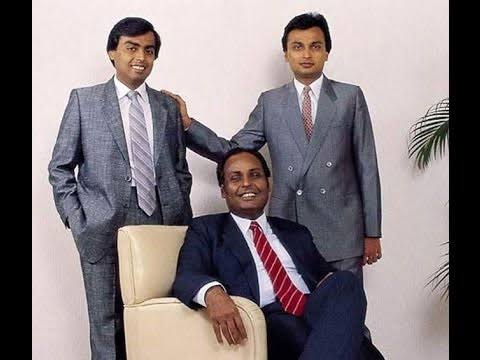
How Mukesh Ambani grooming the heirs to his $50 billion fortune?

Among Mumbai’s glitziest society events over the past year were two weddings in the family of Mukesh Ambani, the Indian tycoon who in 2018 became Asia’s richest person.

In December, his 27-year-old daughter Isha got married in a Bollywood-style extravaganza attended by global power brokers and titans of finance. Beyonce sang at the festivities, Hillary Clinton flew in and KKR & Co.’s Henry Kravis made an appearance. In March, her twin brother Akash wed in a ceremony attended by the likes of Google Chief Executive Officer Sundar Pichai.

The lavish events put Ambani’s eldest children in a very public spotlight at a time when they are playing more visible roles at his Reliance Industries Ltd.’s retail and telecommunications businesses.

Ambani, 62, has big ambitions in new areas like e-commerce and is enlisting his children to help drive the modernization of his empire. The rise of the twins offers early signs of the efforts the titan is making to groom his heirs.

The billionaire on August 12 announced that the world’s biggest crude producer, Saudi Aramco, will buy a 20% stake in the oil and chemicals business of Reliance Industries, allowing the Indian conglomerate to reduce the debt that increased during its expansion spree of recent years.

Over the coming decades, billions of dollars in wealth will be handed over to yet another generation in family-controlled businesses across Asia. Such dynastic transfers can come with pitfalls, as Mukesh and his younger brother, Anil, well know. More than a decade ago, the brothers were embroiled in a feud over the family business after their father, Dhirubhai, died without leaving a will.


The twins are having a very different beginning to their careers from the patriarch, Dhirubhai. The late industrialist—who started out as a gas-station attendant in Yemen—built up Reliance Industries into a petrochemicals giant at a time when India’s economy was heavily controlled by the government.

“They have to show their mettle in entrepreneurship and strategy like their father and grandfather," said Kavil Ramachandran, a professor and executive director at the Thomas Schmidheiny Centre for Family Enterprise at the Hyderabad-based Indian School of Business.

Representatives for the senior Ambani brothers declined to comment, and Isha and Akash were not available for interviews.

Appointed in 2014 to the boards of Reliance Jio Infocomm Ltd., the mobile carrier unit, and Reliance Retail Ventures Ltd., the twins have raised their profiles in subsequent years, addressing investors at annual shareholder meetings and introducing new products. The duo also helped bring an open-office culture for top executives at the group’s corporate park in Mumbai’s outskirts.

At Reliance Industries’ annual meeting on August 12, they demonstrated a range of applications such as virtual reality and conference calls that come with a new high-speed data network the company is rolling out.

Isha, a Yale University graduate and a former McKinsey & Co. consultant, kicked off Reliance’s e-commerce foray into fashion retail in 2016 by starting online shopping portal Ajio. Her husband is Anand Piramal, the son of Indian billionaire Ajay Piramal, whose interests range from pharmaceuticals to real estate.

Akash, a Brown University alumnus, has studied economics. He married his childhood sweetheart, Shloka Mehta, the daughter of a Mumbai-based diamond trader and jeweler. The twins have a younger brother, Anant, 24.


“Going forward, you will see Anant also taking some key responsibilities," said Arun Kejriwal, founder at KRIS, an investment advisory firm.

The younger generation is getting involved at a time when Reliance is pivoting toward consumer offerings, which Ambani has said will contribute almost as much as the group’s core energy businesses by the end of 2028. Global retailers such as Amazon.com Inc. and Walmart Inc. are also expanding in India, bringing in new competition that the Ambani family must contend with in the coming years.

Ambani’s group is attempting to use its mobile carrier and retail units to tap India’s online shopping market, which by Morgan Stanley’s estimates will surge sixfold to $200 billion in about a decade. At the same time, Reliance’s Jio, since its debut in 2016, has shaken up India’s telecommunications industry with free calls and cheap data, forcing a consolidation that whittled down carriers to three from about a dozen four years ago.

The senior Ambani has credited his children with helping to nudge him into the internet business.

In 2011, while in India on a break from college at Yale, Isha complained about the poor quality of the internet at the family home, which made it more difficult for her to submit her coursework, Ambani has said. Meanwhile, Akash kept reminding his father that digital communications, rather than just phones, were now driving the world.

After Dhirubhai’s death in 2002, the brothers’ fight for control went on until their mother intervened in 2005 and brokered a settlement under which they carved up the vast empire. The older one kept the oil refining and petrochemicals businesses, while the younger one got the newer ventures in finance, infrastructure, power and telecom.


While the paths of the brothers diverged, so have their fortunes. Mukesh’s worth is about $50 billion, according to the Bloomberg Billionaires Index. He lives a lifestyle to match, with a 27-story, 400,000-square-foot home in Mumbai named Antilia, after a mythical island, that boasts nine elevators, a spa, a 50-seat theater and a helipad.

The value of Anil’s holdings in companies, calculated net of pledged shares, is about $75 million, according to data compiled by Bloomberg. That compares with a net worth of at least $31 billion in 2008. Stock prices of Anil’s various businesses have slumped as the units struggle to pay about $13 billion of debt—not counting his phone venture, which this year slipped into bankruptcy.

Bloomberg News is currently defending litigation brought by Anil Ambani and his Reliance Communications in connection with previous Bloomberg reporting.

Earlier this year, Mukesh stepped in to pay about $78 million of vendor dues owed by one of Anil’s businesses, helping his younger brother avoid a stint in jail.
Meanwhile, Mukesh isn’t the only one preparing his offspring for the future.

Now working to reduce his debt load by selling the equivalent of more than $3 billion in assets, Anil also has an eye to the future. His son, Jai Anmol, 27, was appointed executive director at Reliance Capital Ltd. in 2016.


This story has been published from  without modifications to the text. Only the headline has been changed.

Wednesday, August 14, 2019

'Negative SIP returns in short to medium term is a blessing in disguise'


One should increase the amount or number of SIP when the negative returns are higher because when the market recovers, the return on accumulated corpus would be higher and one would end up accumulating higher corpus, Pankaj Pandey, Head of Research, ICICI Direct, said in an interview with Moneycontrol’s Kshitij Anand.

Edited excerpts: 

Q: Do you think investors are caught in this dilemma in the current market environment – ‘What is looking cheap is not safe, and what is safe is not cheap’?

A: Notwithstanding the recent fall, the valuation dichotomy has been here since the last 2-3 years. The Indian equity market has witnessed a strong divide in valuations across quality and ordinary businesses notwithstanding market capitalisation which warrants that investors should be stock specific.
Emphasis should be on buying a business that is run in a capital-efficient way and possess sustainable growth prospects. Well, the harsh reality is that quality always commands a premium valuation, albeit it is accentuated in the current market environment.

Q: 2019 could turn out to be the year in which many multibaggers could be born if someone holds them for a long term period. What are your views?

A: With a deep price correction, this year presents investors to have a re-look at quality companies with capital-efficient businesses and consistent cash flow generation that can provide strong returns over a long-term.
Period like this should be utilised to accumulate such stocks through SIP to build up a long-term equity portfolio for wealth creation.

Q: How should investors make a case for investment at a time when everything is falling?

A: Warren Buffets famous quote that it is wise to be “fearful when others are greedy and greedy when others are fearful” is apt advice for investors in a market as such when cyclical uncertainty and volatility is clouding long term growth potential of an economy.

We believe that volatility essentially opens an opportunity to build a good long term portfolio.

We continue to advise investors to stick to quality names that have a capital-efficient business model with sustainable growth prospects to steer through the market volatility.


Credit: https://www.moneycontrol.com/news/business/personal-finance/negative-sip-returns-in-short-to-medium-term-is-a-blessing-in-disguise-4324631.html

🧊 Greenland: Arctic Geopolitics and the Rise of American Assertiveness

Greenland has moved from geopolitical obscurity to strategic prominence in recent years. While traditionally under Danish sovere...